
How to Start an RV Inspection Business from Home
By Bill Riggs, Founder, Professional Association of RV Inspectors
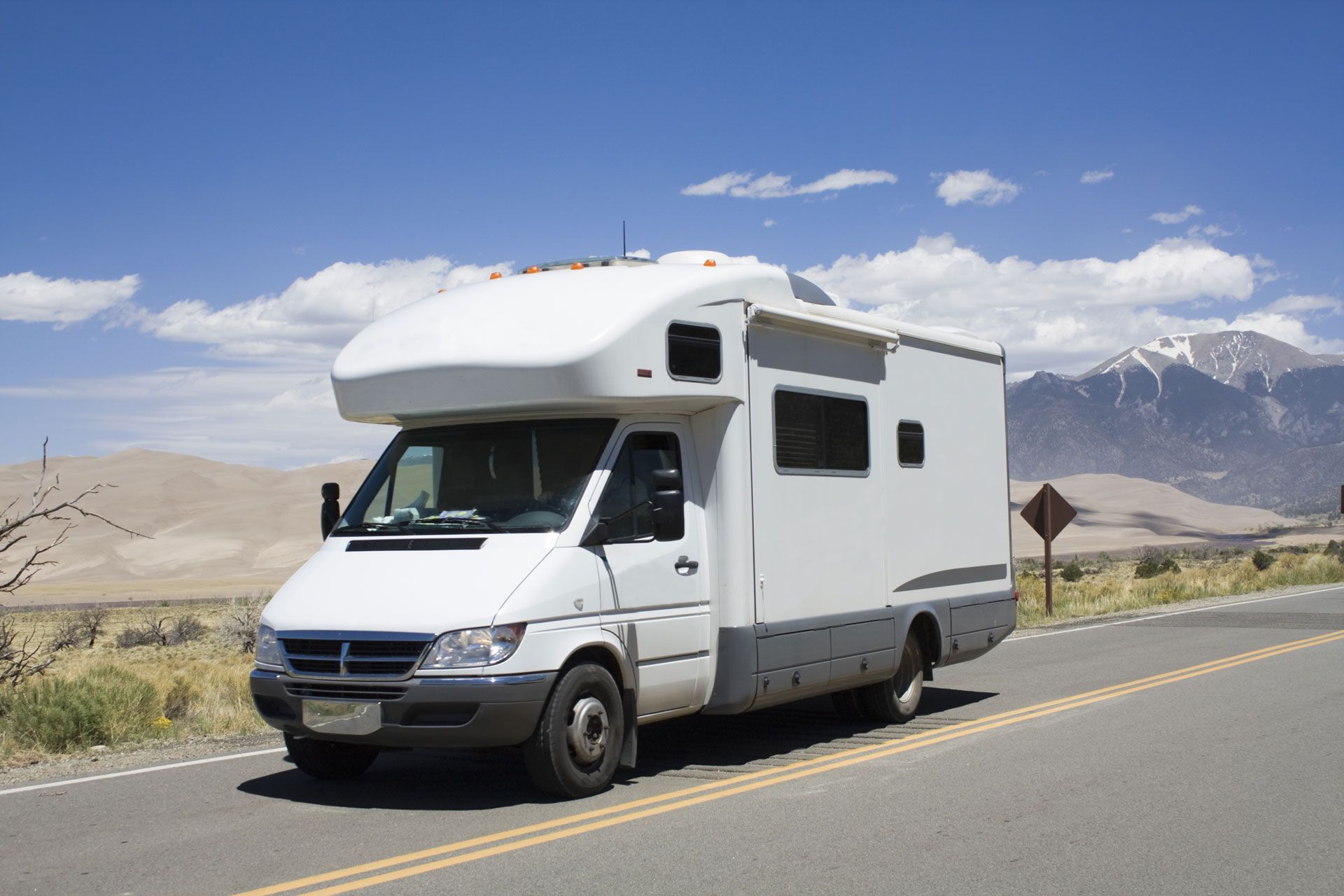
An independent RV inspection business can operate from a home office without a storefront. You handle inquiries, scheduling, bookkeeping, and much of the reporting from home. The inspection itself takes place wherever the RV is located, such as at a dealership, a private seller’s property, or a storage facility. If you are comparing home-based service businesses, plan for both the work at your desk and the time you spend driving, inspecting, and explaining your findings.
What an Independent RV Inspector Does
A buyer considering a new or used RV wants to know more about its condition before making a decision. You document observable conditions within the agreed scope, identify items you could not check, and explain what the findings mean for the buyer’s next steps. A report may note that a system could not be operated because the necessary utilities were unavailable. An inspection documents what you could observe on the date of the visit. It does not diagnose every problem, guarantee future performance, or decide whether the buyer should proceed.
What It Costs to Start an RV Inspection Business
Start with the cost of training and supervised field experience, basic inspection tools, protective equipment, business setup, and insurance. Then budget for ongoing expenses such as reporting software if you choose to use it, marketing, and vehicle costs. Separate expenses you pay every month from costs you incur on each job. Gather actual quotes and test your budget at a realistic number of monthly inspections before committing to fixed expenses.
Set prices around the entire assignment. Count the time it takes to confirm site access, drive to the RV, conduct the inspection, review photographs, write the report, and discuss the findings. Subtract direct costs and an allowance for your time from the quoted price. What remains must help cover your fixed overhead before it can become profit. The hours you spend away from the RV can make the difference between a sustainable price and a busy schedule that does not pay.
What a First Paid Inspection Can Look Like
Suppose a buyer hires you to inspect a used travel trailer at a dealership. Before the visit, confirm permission to inspect, agree on what is included, and ask which utilities and systems will be available. At the site, follow your inspection process, photograph relevant conditions, and record anything you could not evaluate. Afterward, organize the evidence into a report and review the key findings with the buyer. If you observe staining at a window, describe where it is and what you saw. Avoid claiming you know the source or the extent of hidden damage from that observation alone.
Test Demand Before Spending Heavily
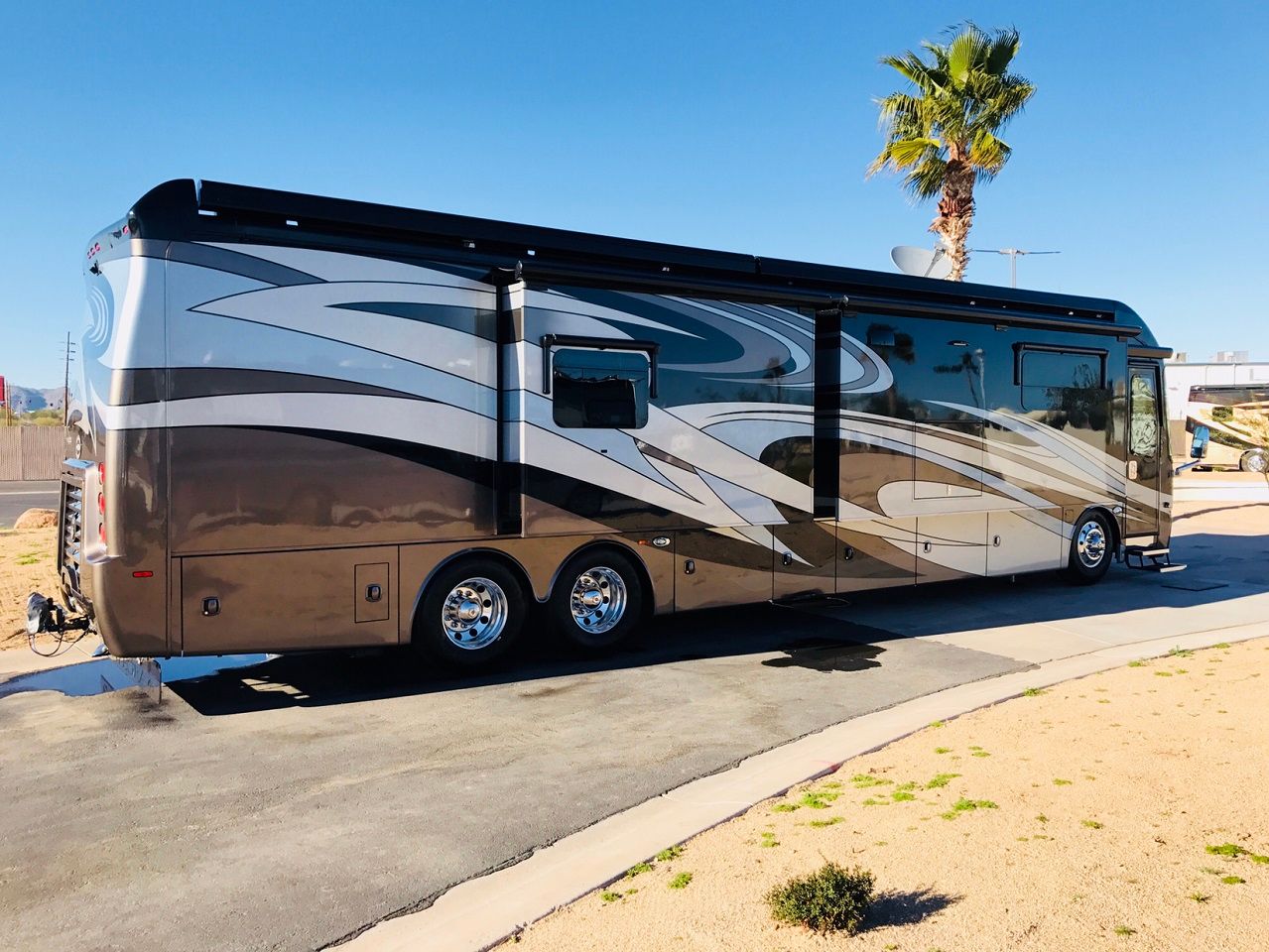
Start by talking with prospective RV buyers and people who regularly work with them. Ask what buyers found difficult the last time they shopped for an RV, how they tried to get answers, and what information would have helped them decide. Then outline one inspection service with a defined customer, a clear scope, a realistic delivery time, and a price that accounts for the whole job. Use those conversations to test your assumptions before expanding your service area or investing heavily in equipment.
Give yourself 30 days to collect evidence. Start with five conversations, write one offer, and estimate what it would take to deliver. Before accepting payment or doing inspection work, make sure you have the training, coverage, and any approvals or credentials applicable to the work you intend to perform. If you are not ready to deliver the service, continue testing demand through conversations. Once qualified and ready, record the time, travel, and job costs on a few early assignments before committing to a larger workload.
Download the free 30-day service business worksheet and guide
How to Become an RV Inspector
PARVI’s certification path starts with self-paced Home Study Foundations. Students then apply what they have learned during a supervised field practicum with an approved PARVI mentor. The path to certification also includes a final certification exam. Review the current course details to understand what each stage covers and what you need to complete before moving forward.
Explore PARVI RV Inspector Training and Certification
This guide is for educational purposes. Startup costs and business outcomes vary.